
Goodbye
Ivan Zhao: Infinite Almanac

Dear Reader,
Tourists stroll the pavements in a never-ending stream. Their eyes reveal they are mentally elsewhere, caught up in ancient myths and anecdotes told to them through wireless headphones by their shepherd who walks ahead with a closed umbrella or a laminated piece of paper to guide the snake through the tiny streets of the old town.
As summer is catching on, more and more tourists crowd the streets, like the rising rivers from the melting snow. They are learning about the birth of democracy and Athena, the goddess, and the Acropolis. We, on the other hand, are on our way to school, invisible to their tourist gaze until we cross the procession and temporarily break their trance.
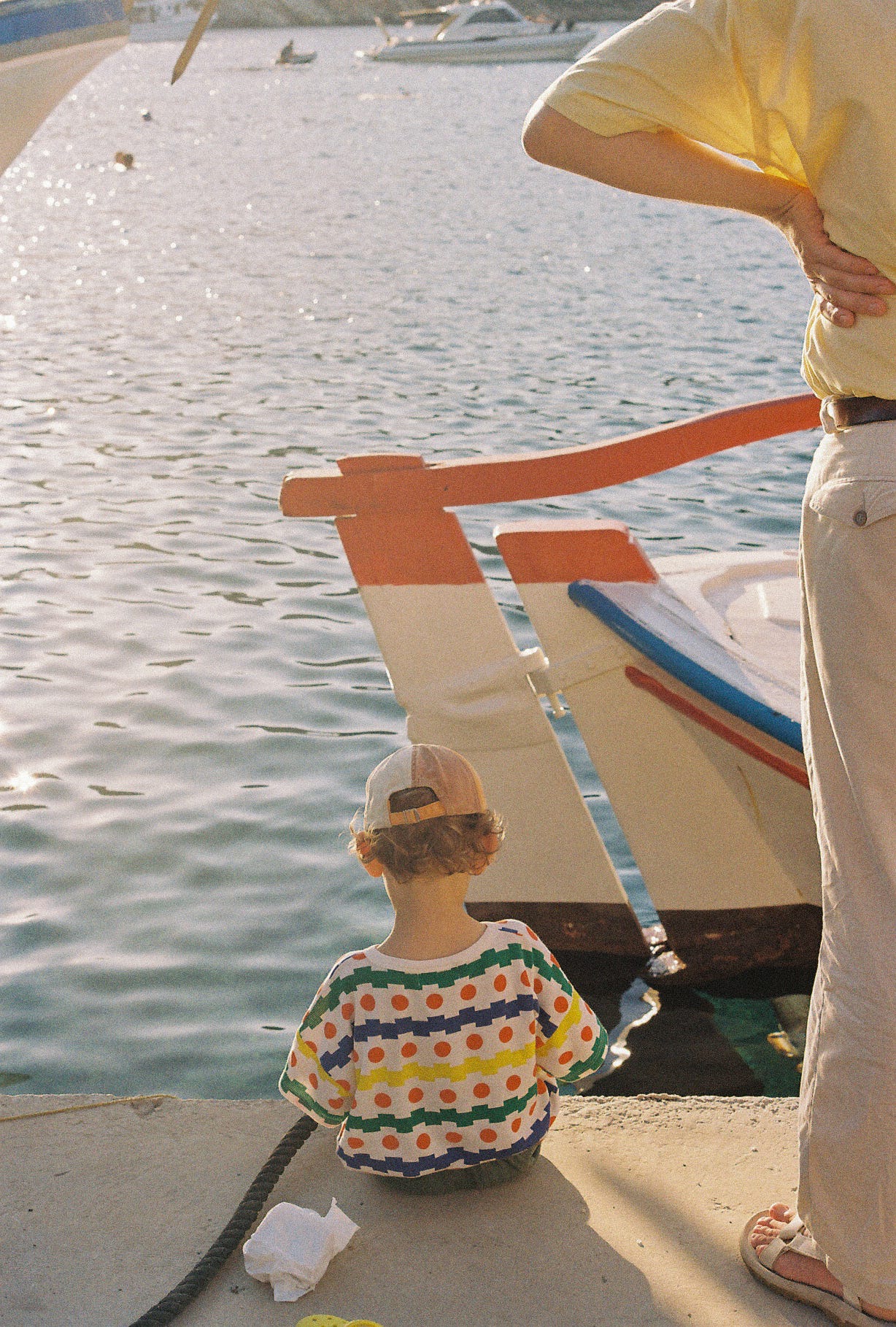
Last Friday was our last trip to school before the summer holiday. On our way to school, Uno said, “Dada. A day is a long time.”
That’s the world I want to live in for the next almost hundred days until school opens again and the city returns to the locals. It also means I’ll be pausing this newsletter. I don’t know when I’ll be back in your inboxes, but I believe it will be with news.
With care,
Kristoffer
Ps. can I ask you of a favour? We are accepting nominations for Tiny Awards. All you have to do is let us know your favourite website(s) from the past year.
Ivan Zhao: Infinite Almanac
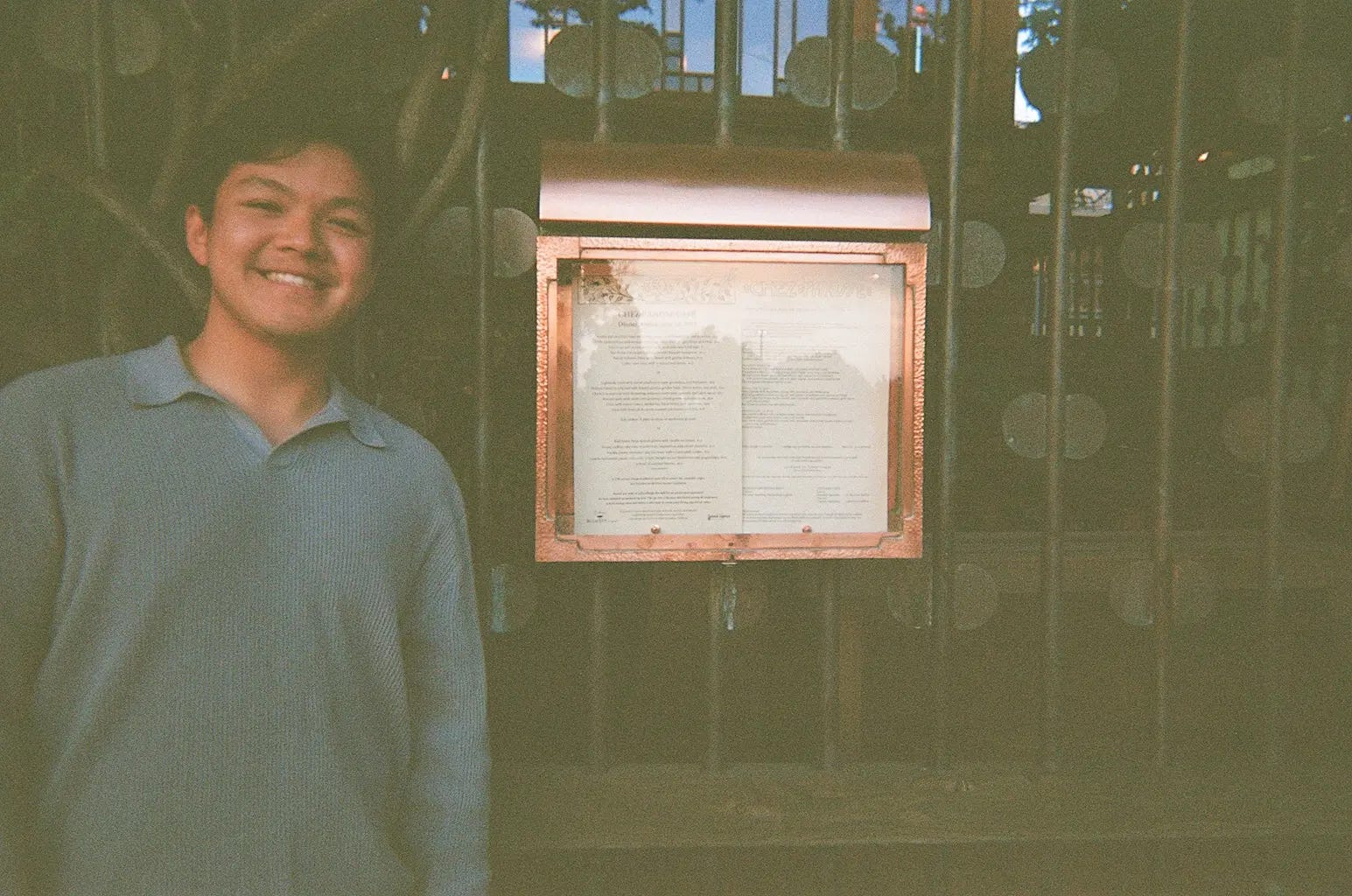
Ivan Zhao writes poetry, makes games, and gives space to a multi-lingual internet.
What is The Infinite Almanac?
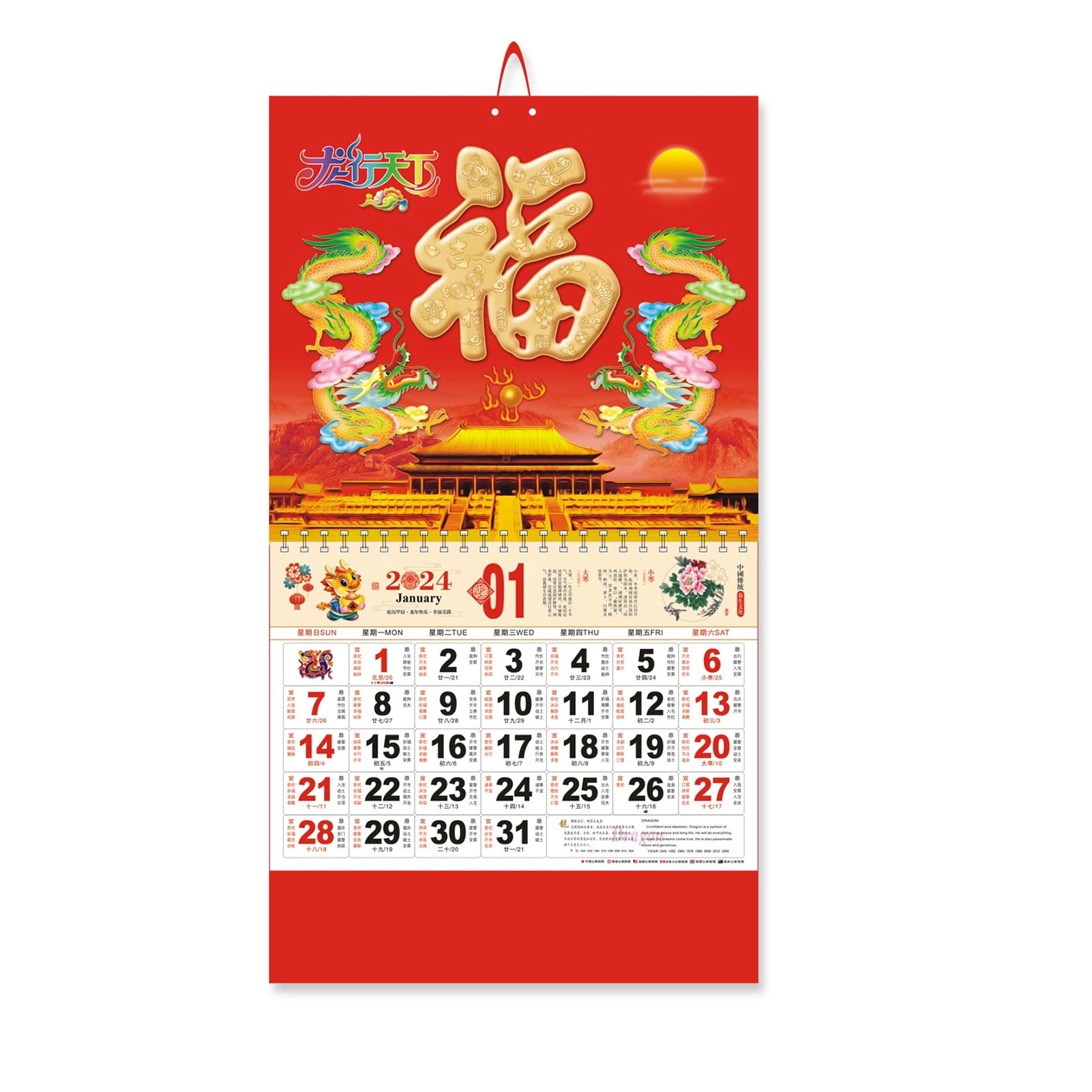
According to Britannica, an almanac is a “book or table containing a calendar of the days, weeks, and months of the year; a record of various astronomical phenomena, often with climate information and seasonal suggestions for farmers; and miscellaneous other”. Similarly, the Chinese lunisolar calendar (黄历) is a traditional time-tracking system meant to be useful for agricultural and cultural purposes. The calendar is divided into 24 solar terms (节气), each marking a specific astronomical event or natural phenomenon throughout the year, further divided into three seasons (候), which often reflect a particular aspect of nature or change during that period. The Infinite Almanac is inspired by this traditional system and expands the 72 lines to a full calendar cycle of 365 days. Written in a style inspired by the renga (a Japanese poetry form), each line corresponds to a day of the year and reflects the changing seasons, natural phenomena, and cultural events associated with that day, and is intended to be read in any order throughout the year. The poem is a meditation on existence, moving between queerness, becoming, and loss, in relation to the everpresent changing of nature and the speaker’s own notion of self.
Why did you make it?
I’ve been printing a lot recently, and thinking about the role that calendars play in our lives as a time tracking device. I grew up with one of those overly flourished Chinese calendars that we would pick up from the supermarket every year, and I was always curious about the extra text that was on every day, and ways that other cultures read and interpret time. I had also just finished a yearlong poetry program in which we spent a trimester heavily invested in form, and I’ve always been interested in the way that permutative and repetitive forms can result in circular feelings of time, and the way that time feels nonlinear in these progressions.
The site reminds me of Laurel Schwulst’s Pentad.world and Olia Lialina’s Haveagood.today. Can you talk about the references for The Infinite Almanac?
There was definitely inspiration from Schwulst’s work on pentad.world! Especially in the content and form, which interestingly enough has its origins as a type specimen site for a typeface from occupant fonts. I haven’t seen Lialina’s work before this, but they feel very in conversation with each other. The original inspiration for this work was from finding Yun Hai’s lunisolar calendar, which feels like a contemporary look at a household staple, and made me appreciate just how much work is required for someone to create this kind of work.
Why publish a seasonal calendar online?
Publishing a calendar online gives you the flexibility of the browser, in that this calendar has a reference to the days of the year, but no specific pointer to the year itself, meaning that it can theoretically be read in any year, and apply to any time (with the caveat that the exact day periods change every year). This work specifically is inspired by the renga form, which in traditional presentations of poetry, would be read left to right in a standard book. By putting it online and in an interactive medium, it emphasizes the malleability of time and visual space. I imagine that there’s two ways that people could access this work, by either sitting down and reading through the entire work in one through, or to bookmark it, almost like those backgrounds in the new tabs, and return to it daily, as if they possessed mantra-like qualities. And because the “meaning” of the work circles upon themselves, they can always return to it.
One thing that I’m always thinking about is the way that diasporic and queer bodies resist and chafe against predestined notions of linear time. One such theory, queer temporality, focuses on the way that individuals are developmentally delayed as a result of butting against hegemonic structures. As a gay Chinese man, I feel this notion strongly, constantly pulling towards both speculative futures and pasts, in which my lived experience could’ve changed under different circumstances (being born in China, growing up as straight). This work redefines our sense of time by focusing on the seasonality of time and space, and the cyclical nature as opposed to the linear progression.
Tell me about the design decisions: The blurry background, the bi-lingual text, the sounds, the texture. What mood were you aiming to create?
The background was a selfish attempt in wanting to learn how to work with shaders (something I still struggle with), but it’s attempting to convey a sky-like texture and cloudlike shadows. The colors are also dynamic depending on the season, shifting between cooler tones in the winter to warmer tones in the summer, to create the experience of feeling time pass. The sounds, besides the wind chimes, are directly tied to the statements within the poem itself. The work mentions of insects, thunder, rain, the rivers, and other natural elements turning themselves on and off, which happen within the site depending on where you’ve scrolled to it. I wanted to create more of an ambient soundscape that people could leave in the background, almost as a screensaver, that they could hear the noises of the day.
I want the site to be a space that people enter, almost as if they are submerging themselves in another world, and that the colors, textures, and sounds create the immersion.
Field notes
1.
Tiny Awards. Please nominate your favourite websites from the past year. It’s free to nominate sites, and you can add sites from others, too.
2.
Meanderware: Things I loved about cyberspace. “I like playable-essays like this because it’s impossible to reduced it to parseable content. A big reason for killing Flash was that it is not parseable by search engines. Now that seems very desireable.” Nathalie Lawhead is back with a playable-essay and a reflection on the format.
3.
Taper #16 : For Good Measure. Spring Issue of Taper is out. Remember to view source to read the artist introductions.
4.
HTML Day 2026 is August 8th. Meet people in parks to talk about websites and freewrite html. Already thirty confirmed cities.
5.
Over the Summer, I’ll keep connecting events and artist opportunities to the two Are.na channels Call for Participation and Poetic Web Calendar. Both channels are open for submissions if you have things to share with the other readers while I’m on hiautus.
Wayside flowers

Send Summer postcars to kristoffer@naiveweekly.com :)